
The fascination with exotic pets is deeply rooted in human curiosity—a desire to connect with the wild and possess the extraordinary. From majestic parrots and vibrant snakes to small primates and unique marsupials, exotic animals offer a glimpse into the diverse tapestry of the natural world. However, the decision to welcome an exotic animal into one’s life carries a profound ethical and practical weight. Unlike domesticated animals that have evolved alongside humans for thousands of years, exotic pets retain complex, untamed needs.
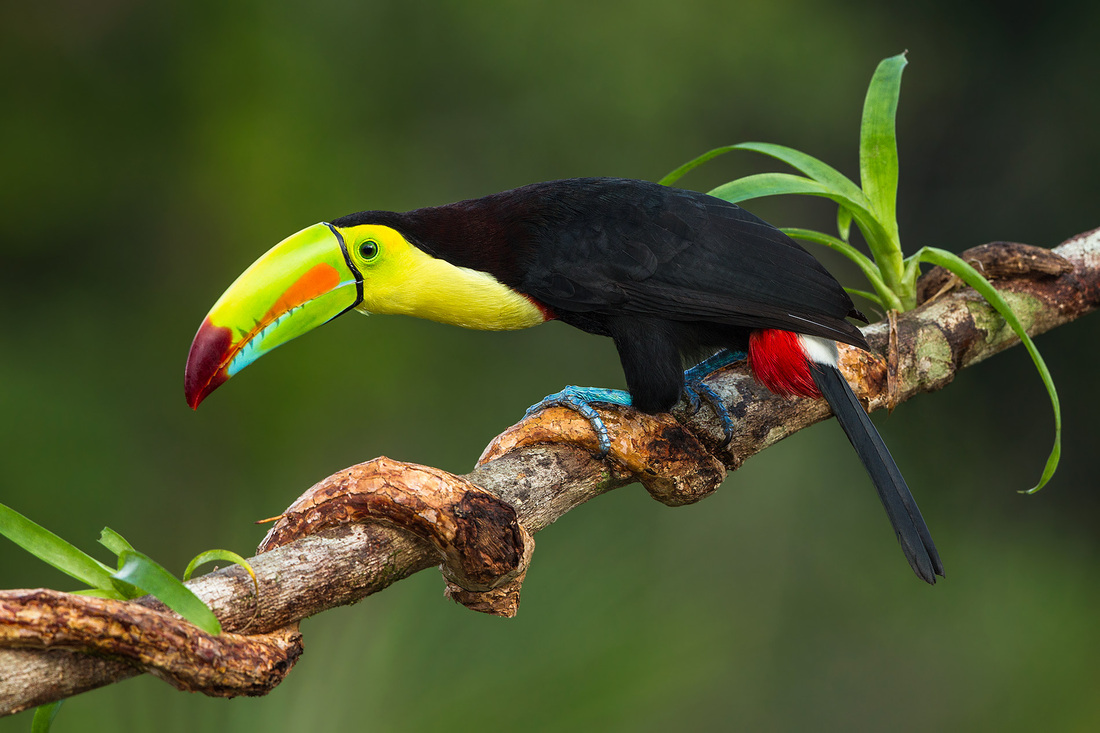
Responsible ownership of exotic pets demands far more than affection; it requires meticulous planning, substantial financial investment, specialized knowledge, and an unwavering commitment to meeting the unique biological and psychological requirements of a wild species in captivity. This guide explores the foundational pillars of responsible exotic pet care.
Pillar 1: Legal Due Diligence and Public Safety
The first and most non-negotiable step in responsible exotic pet ownership is a thorough investigation of the law. Ignoring regulations is not only illegal but can result in the traumatic confiscation of the animal and severe penalties for the owner.
1. Navigating the Legal Maze
Laws regarding exotic pets are highly fragmented, varying by country, state, county, and even city.
- Federal and International Law: Verify compliance with federal regulations, particularly the Convention on International Trade in Endangered Species of Wild Fauna and Flora (CITES). Ownership of threatened or endangered species is severely restricted or banned outright.
- Local Permitting: Research local zoning and health ordinances. Many municipalities prohibit the keeping of certain species (e.g., venomous snakes, large felids, or primates) regardless of state law, often requiring specialized permits, mandatory inspections, and high-liability insurance.
2. Risk Mitigation
Responsible ownership requires acknowledging the inherent public and personal safety risks posed by wild animals. Secure, escape-proof caging and enclosures must meet professional standards, not just basic housing requirements. Owners must also be educated on zoonotic diseases—illnesses transmissible from animals to humans (like Salmonella from reptiles or Monkeypox from primates)—and maintain strict hygiene protocols.
Pillar 2: Specialized Welfare and Environmental Needs
The greatest challenge in exotic pet ownership is providing an environment that satisfies the animal’s complex biological and behavioral needs (ethological needs).
3. Creating the Optimal Habitat
Exotic animals thrive in specialized habitats that mimic their native environments, not just cages.
- Space and Complexity: A large parrot requires sufficient space to fly and climb, not just stand on a perch. A large lizard needs precise temperature and UV light gradients, not just a heat lamp. Enclosures must be large enough to allow for natural behaviors like foraging, climbing, and retreating from view.
- Environmental Enrichment: This is critical for psychological well-being. Enrichment means providing novel items, challenges, and activities that stimulate the animal’s mind and prevent boredom, stress, and stereotypies (repetitive, abnormal behaviors indicative of distress).
4. The Specifics of Diet and Veterinary Care
- Precision Diet: Responsible owners must replicate the species’ natural diet as closely as possible, often requiring specialized feeders, supplements, and time-consuming preparation. Nutritional deficiencies are the single most common cause of illness and premature death in exotic pets.
- Specialized Veterinary Access: Before acquisition, identify and establish a relationship with a veterinarian board-certified in the specific species (e.g., avian, reptile, or zoo medicine). General practice vets cannot adequately treat exotic pets. The costs associated with specialized emergency care are often astronomical and must be budgeted for.
Pillar 3: Ethical Sourcing and Long-Term Commitment
Responsible ownership extends beyond the care of the individual animal; it includes making ethical choices that do not contribute to the decline of wild populations or burden sanctuaries.
5. Sourcing and Conservation
- Avoid Wild-Caught Animals: Always seek animals bred in captivity (captive-bred) from reputable, licensed dealers or reputable rescue organizations. Purchasing wild-caught animals fuels the illegal wildlife trade, contributes to devastating mortality rates during transport, and harms wild populations.
- The “Lifespan Contract”: Many exotic pets have extraordinarily long lifespans. Parrots can live for 80 years; certain reptiles can live for 50 years. Responsible ownership requires a commitment for the animal’s entire natural life, including planning for its care in the event of the owner’s death or incapacitation.
6. Planning for the Unforeseen
Responsible owners acknowledge that circumstances change. A plan must be in place for the animal if the owner can no longer provide care. This means identifying a reputable, accredited, non-commercial sanctuary that specializes in that species—not simply releasing the animal into the wild (which is illegal and detrimental to local ecosystems) or selling it to an unvetted buyer.
Conclusion: A Test of Commitment
Responsible ownership of exotic pets is a profound test of dedication, knowledge, and financial resourcefulness. It is an undertaking that requires putting the specialized needs of the animal above the owner’s desire for novelty. For prospective owners, the highest form of respect for these creatures is meticulous preparation and an unyielding commitment to the welfare and safety standards necessary for a life removed from the wild. When executed properly, responsible ownership provides a unique relationship, but the stakes—for the animal, the owner, and public health—could not be higher.