
Owning a pet is a deeply rewarding commitment, one that requires consistent attention to their needs. Purchasing your pet’s essentials—from daily sustenance to comfort and safety gear—is a continuous process that demands careful consideration, balancing quality, budget, and convenience. The modern marketplace offers diverse options, from specialized local boutiques to vast online warehouses, making an informed decision more important than ever.
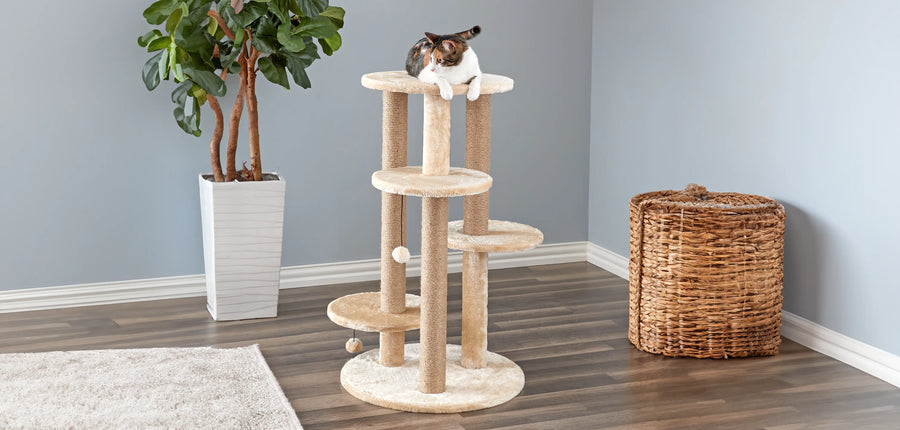
This guide provides a comprehensive framework for responsible pet parents to navigate the purchase of pet essentials, ensuring your companion leads a happy, healthy, and secure life.
I. Know Your Pet: Tailoring Purchases to Individual Needs
The foundation of responsible purchasing lies in understanding the specific requirements of your pet, as a one-size-fits-all approach rarely works.
A. Life Stage and Nutrition
- Age Matters: A growing puppy or kitten requires different calorie counts and nutrient balances (like higher protein and fat) than a senior pet, who may need joint supplements and lower-calorie food to manage weight.
- Breed and Size: A Great Dane requires an extra-large, durable bed and a slow-feeder bowl, while a Chihuahua needs small, lightweight gear and toys. Size also dictates the necessary strength and durability of chew toys and harnesses.
- Health Conditions: Consult your veterinarian for specialized or prescription diets if your pet has allergies, kidney disease, or diabetes. These specific needs should always override general product advice.
B. Lifestyle and Temperament
- Activity Level: Highly active dogs need robust, interactive toys and performance-grade harnesses. A low-energy cat might prefer orthopedic bedding and passive enrichment toys.
- Destructive Chewing: For strong chewers, invest in durable, non-toxic, and indestructible toys to prevent ingestion hazards and protect your furniture.
II. Where to Buy: Evaluating Your Shopping Options
The choice of retailer significantly affects product quality, access to expertise, and cost.
| Retailer Type | Pros (Benefits) | Cons (Drawbacks) |
| Local Pet Stores | Expert, personalized advice; curated, high-quality products; supports the local economy; often hosts community events. | May have higher prices on some items; limited inventory variety compared to online. |
| Big-Box Chains | Convenience (one-stop shop); competitive pricing on standard items; wide general selection; services like grooming/vet clinics. | General staff knowledge; focus on mass-market brands; less personalized service. |
| Online Retailers | Massive selection (niche foods, unique gear); competitive pricing; subscription/autoship discounts; customer reviews for research. | Shipping delays; inability to inspect product quality/fit beforehand; risk of overspending; difficult for immediate needs. |
Key Purchasing Strategy: Combine the best of all worlds. Buy specialized foods and get tailored advice from your local store, but use online retailers for cost-saving on heavy or bulk items like cat litter or staple kibble.
III. Financial and Practical Considerations
Responsible purchasing involves maximizing value while prioritizing safety and quality.
A. Prioritizing Quality and Safety
- Check Ingredients: For food and treats, look for high-quality protein as the first ingredient and avoid excessive fillers, artificial colors, or vague “by-products.”
- Inspect Materials: Ensure toys are made from non-toxic, durable materials. Avoid products with small, easily detachable parts that pose a choking hazard.
- Read Reviews: Utilize online reviews to gauge the real-world durability and effectiveness of big-ticket items like crates, beds, and carriers.
B. Budgeting and Saving Money
- Autoship & Subscriptions: Use subscription services from online or local retailers to save 5-15% on recurring essentials like food and supplements.
- Buy in Bulk (Smartly): Purchase large bags of non-perishables like kibble to lower the price per pound, but only if you have adequate, airtight storage to maintain freshness.
- Preventative Care: Invest in high-quality items that reduce long-term costs, such as good dental chews and a comfortable harness, which prevent costly health issues down the line. Pet insurance is also a key budgetary tool for unexpected expenses.
By approaching the purchase of pet essentials with a structured and informed mindset, you ensure that every dollar spent contributes directly to the comfort, health, and longevity of your cherished companion.