The allure of the exotic animal is undeniable. Driven by their unique beauty, rarity, or simply the desire for an unconventional companion, people around the globe continue to seek out animals like capuchin monkeys, large reptiles, venomous snakes, and even big cats as pets. These creatures are captivating, but the reality of owning an exotic animal is fraught with complex ethical, legal, safety, and welfare challenges that extend far beyond the typical responsibilities of dog or cat ownership.

This article delves into the world of exotic animal ownership, moving past the romanticized image to provide a candid look at the necessary considerations for individuals, conservation efforts, and public safety.
Defining “Exotic”: A Spectrum of Challenges
The term “exotic animal” generally refers to any species that is not native to the area or that is not traditionally classified as a common domestic pet. This category is vast, ranging from small, manageable … Read more
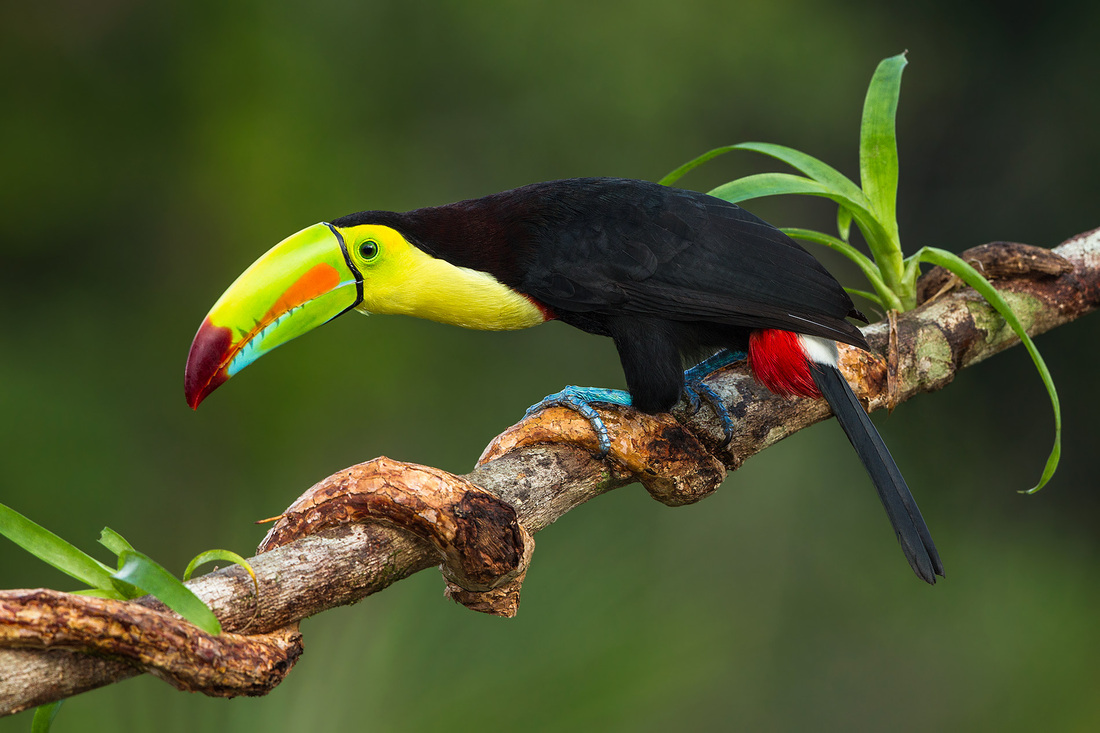

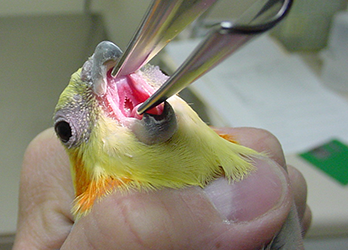 All throughout the nation, in Americans’ backyards and garages and residing rooms, of their beds and basements and loos, wild animals kept as pets live aspect by aspect with their human homeowners. It’s believed that more exotic animals live in American houses than are cared for in American zoos. The unique-pet business is a lucrative industry, one which’s drawn criticism from animal welfare advocates and wildlife conservationists alike. These folks say it’s not only dangerous to bring captive-bred wildlife into the suburbs, but it’s cruel and it ought to be criminal too. Yet the difficulty is far from black or white.
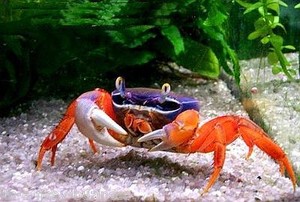 Taking care of your arowana fish could also be sophisticated for some owners but it surely all comes down to five easy necessary components to make sure that your pet arowana is living a healthy, comfortable, and comfy surroundings. Wang Ke, 30, in his breeding farm with a pink striped gargoyle gecko ( Rhacodactylus auriculatus), a pinstripe crested gecko, and a mossy New Caledonian gecko ( Mniarogekko chahoua). These geckos are only discovered in the forests of New Caledonia in the South Pacific with many listed as susceptible due to pressures from human actions together with logging, wildfires and forest clearance, and wildlife trafficking.