
For thousands of years, humans have shared the Earth with an astonishing diversity of wild animals. From microscopic insects conditioning forest soils to massive blue whales migrating across ocean basins, the animal kingdom forms a complex, living tapestry that sustains the global biosphere. Yet, in our modern, urbanized world, wild animals are frequently viewed either as distant novelties in nature documentaries or as secondary inhabitants of a planet shaped primarily for human use.
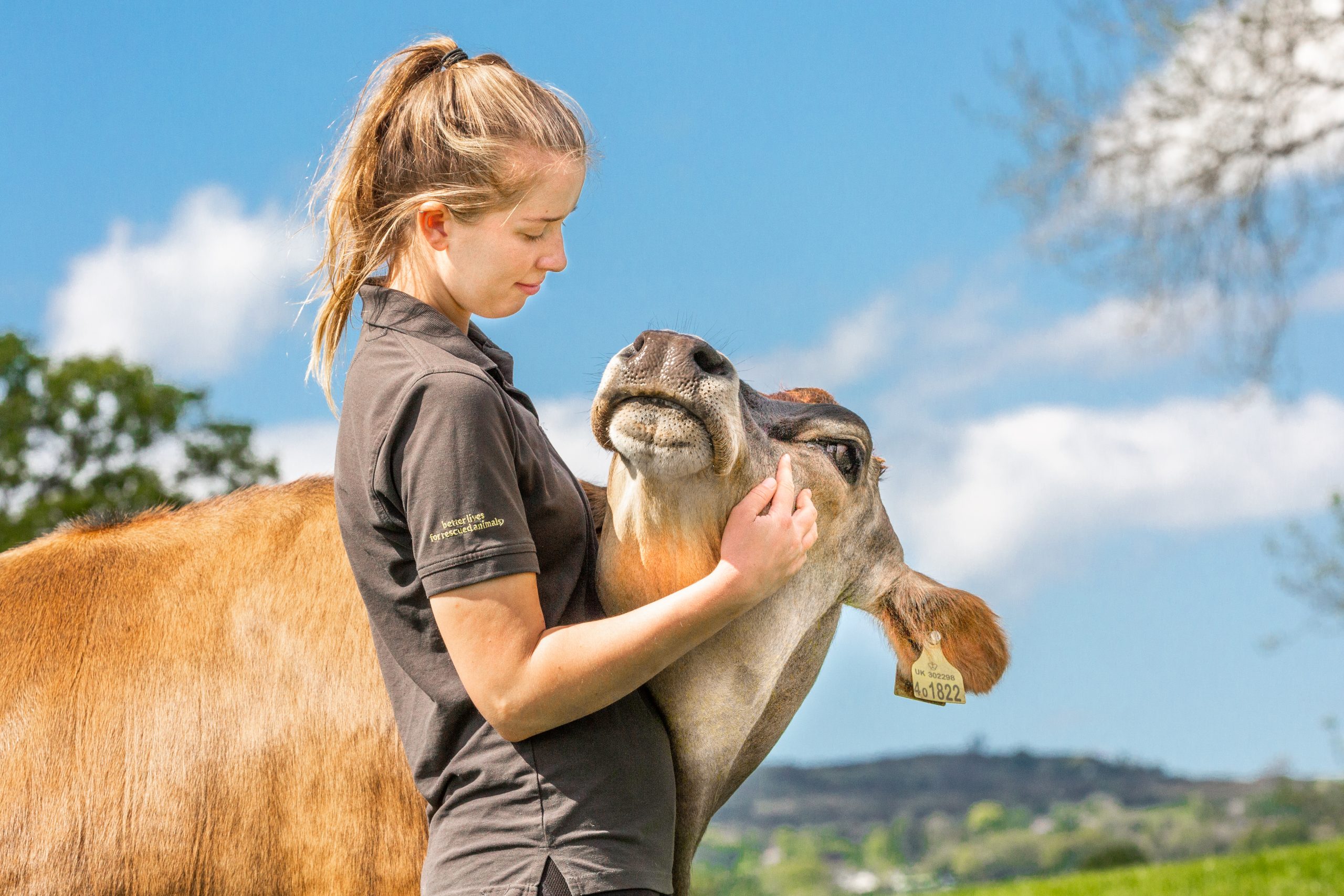
Understanding the true nature of wild animals requires looking deeper into their secret lives, their sophisticated evolutionary adaptations, and the irreplaceable ecological services they perform every single day.
1. The Architecture of Animal Intelligence and Social Structures
One of the most fascinating areas of modern wildlife biology is the discovery of complex cognition, emotional depth, and intricate social structures across a wide variety of species. Wild animals do not merely act on blind instinct; they solve complex problems, pass down learned traditions, and build intricate communal bonds.
- Culture and Communication in Marine Mammals: Pods of killer whales (Orcinus orca) develop distinct vocal dialects specific to their family units. Furthermore, hunting techniques—such as creating waves to wash seals off ice floes—are passed down culturally from grandmothers and mothers to young calves, demonstrating non-human cultural transmission.
- Problem-Solving in Avian Species: Corvids, including crows and ravens, possess incredible spatial memory and causal reasoning. They are capable of manufacturing multi-step tools from twigs and wire, planning for future events, and even recognizing individual human faces across many years.
- Egalitarian Decision-Making in Primates: Groups of wild baboons and chimpanzees often utilize subtle democratic processes when deciding where to forage or travel next, relying on group consensus rather than absolute dominance by a single leader.
2. Keystone Species: The Architects of Global Ecosystems
In every ecosystem, certain wild animals hold structural roles so critical that their presence or absence determines the survival of hundreds of neighboring species. Known as keystone species, these animals shape landscapes and regulate food webs in ways that far exceed their numerical population.
Predators as Ecosystem Engineers
When apex predators like gray wolves, jaguars, or sharks inhabit a wild territory, they regulate herbivore and mesopredator populations. This prevents overgrazing of sensitive riverbanks and underwater kelp forests, which in turn allows vegetation to flourish, stops soil erosion, and provides habitats for nesting birds, amphibians, and juvenile fish.
Ecosystem Engineers and Soil Conditioners
Animals like African elephants, sea otters, and beavers physically reshape their environments. Beavers build wetland dams that filter water impurities, mitigate flooding, and create lush aquatic habitats. Similarly, herds of wild elephants clear dense brush, dig natural water holes that sustain other species during droughts, and transport seeds over vast distances through their digestive tracts.
3. Remarkable Adaptations in Extreme Environments
Earth contains environments of severe hostility—from pitch-black deep-sea trenches and freezing polar ice caps to scorching desert plains. Through millions of years of natural selection, wild animals have developed breathtaking physiological adaptations to thrive under these harsh conditions.
- Anatartic Icefish and Antifreeze Blood: In the freezing waters of the Southern Ocean, the icefish survives without red blood cells. Instead, its blood plasma contains specialized glycoprotein molecules that prevent ice crystals from forming inside its bloodstream.
- Kangaroo Rats and Metabolic Water: Living in dry North American deserts, the kangaroo rat can spend its entire life without ever drinking a single drop of liquid water. Its kidneys extract maximum hydration from dry seeds, and its body creates metabolic water as a byproduct of digestion.
- Echolocation in Subterranean and Night Hunters: Bats and marine mammals navigate and hunt in total darkness using echolocation. By emitting ultrasonic sound pulses and analyzing the returning echoes, they build high-resolution three-dimensional mental maps of their surroundings in real time.
4. The Rising Challenges Facing Global Wildlife
Despite their incredible resilience and evolutionary mastery, wild animals are currently facing an unprecedented survival crisis. Human activities have accelerated habitat loss, climate disruption, and species decline at rates rarely seen in geological history.
The primary threats to wild animals include habitat fragmentation caused by agricultural expansion, illegal wildlife trade, industrial pollution, and invasive species introductions. As wilderness areas shrink into isolated pockets, wild animals lose essential migration corridors, seasonal feeding grounds, and genetic diversity, leaving entire populations vulnerable to disease and sudden environmental shifts.
5. Embracing Coexistence and Effective Conservation
Protecting the remaining wild populations requires a fundamental shift from human exploitation to active stewardship and peaceful coexistence.
Modern conservation efforts demonstrate that when ecosystems are protected and restored, wild animals recover with remarkable speed. Expanding protected wildlife corridors, enforcing international bans on illegal animal trade, adopting sustainable farming practices, and utilizing satellite tracking technology to prevent human-wildlife conflict are proving highly successful. When local communities are empowered as guardians of their native fauna, conservation shifts from an artificial effort into a sustainable, lifelong partnership.
Conclusion
Wild animals are far more than beautiful creatures inhabiting distant wildernesses; they are the fundamental engineers, pollinators, predators, and stewards that keep our living planet healthy and balanced. Every creature, from the smallest insect to the largest mammal, holds an irreplaceable place in the natural order. By recognizing their intrinsic value, preserving their natural habitats, and committing to sustainable coexistence, we safeguard not only the untamed beauty of the wild, but also the future of humanity itself.