
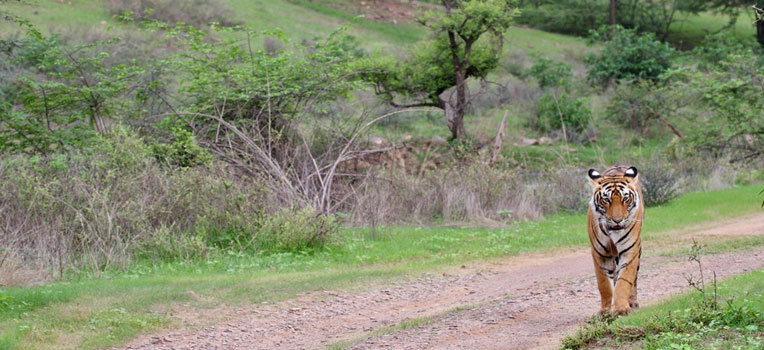
Across the globe, thousands of captive wild animals endure lives of confinement, neglect, and exploitation. From roadside zoos and illegal breeding facilities to private backyards where exotic pets outgrow their owners, big cats, bears, wolves, and other large carnivores often suffer in silence. Stepping into this gap of critical need is The Wild Animal Sanctuary, a pioneering organization dedicated to rescuing, rehabilitating, and providing lifelong sanctuary for abused and abandoned captive wildlife.
Unlike traditional zoological parks that display animals for entertainment, true sanctuaries operate with a fundamentally different philosophy: the needs, peace, and dignity of the resident animals come first. Exploring how this sanctuary model functions reveals a profound shift in how humanity can heal its relationship with the natural world.
1. The Genesis of a Lifesaving Mission
The Wild Animal Sanctuary was founded on a simple yet revolutionary premise: captive wild animals deserve expansive spaces where they can recover from past traumas and live out their lives with minimal human interference. What began as a modest rescue effort has expanded over the decades into one of the largest and most respected sanctuary networks on earth.
Operating across massive acreage in Colorado and Texas, the organization houses hundreds of rescued carnivores, including lions, tigers, grizzly bears, black bears, wolves, mountain lions, and leopards. Many of these residents arrive with severe physical and psychological scars resulting from cramped cages, poor nutrition, and forced human interaction. Through expert veterinary care, specialized diets, and peaceful environments, the sanctuary offers these animals a true second chance at life.
2. Redefining Habitat Design: The Power of Open Space
One of the defining features of The Wild Animal Sanctuary is its radical approach to habitat design. Standard zoo enclosures often measure in square feet; this sanctuary measures its habitats in acres.
- Massive Grassland Habitats: Animals reside in large, natural enclosures ranging from 5 to 80 acres each. These expansive spaces allow residents to roam freely, run, build dens, swim in natural lakes, and form natural social packs or prides.
- Elevated Walkway Systems: To educate the public without causing stress to the animals, the sanctuary constructed miles of elevated footbridges suspended far above the habitats. Because wild carnivores view territory from an eye-level or ground perspective, humans walking high overhead are not perceived as threats or intruders. This allows visitors to observe natural behaviors without disturbing the animals’ sense of security.
- Environmental Enrichment: Habitats are equipped with platforms, swimming pools, shade structures, and natural topography that encourage climbing, foraging, and playful engagement.
3. The Complex Process of Rescue and Rehabilitation
Rescuing a large carnivore from an abusive situation is a complex operation that extends far beyond physical transport. It requires meticulous planning, legal coordination, and long-term behavioral therapy.
Initial Medical Intervention and Stabilization
Upon arrival, new residents undergo thorough medical evaluations. Many animals suffer from metabolic bone diseases, broken teeth from chewing on metal cage bars, or muscle atrophy caused by lifetime confinement in tiny cages. Veterinary teams provide immediate surgeries, specialized nutritional regimens, and pain management plans to restore basic physical health.
Decompression and Social Integration
After physical stabilization, animals enter a decompression phase. Coming from environments of severe stress, they must gradually unlearn defensive behaviors. Over time, sanctuary specialists gently introduce compatible individuals to one another. Seeing a formerly solitary, traumatized tiger socialize with another tiger for the first time marks a crucial milestone in their emotional recovery.
4. Educational Advocacy and Ending the Captive Wildlife Crisis
While rescuing individual animals saves lives, ending the broader crisis of wildlife exploitation requires systemic public education and legislative advocacy.
The Wild Animal Sanctuary actively works to raise awareness regarding the dark realities of the exotic pet trade, cub-suffering photo operations, and unregulated private breeding. By educating visitors about the hidden cruelty behind pseudo-sanctuaries and roadside attractions, the organization empowers consumers to make ethical choices. Furthermore, sanctuary leadership contributes expertise to support stronger animal welfare laws and international trade bans.
5. How Individuals Can Support True Wildlife Sanctuaries
Maintaining thousands of acres, providing tons of meat and produce daily, and funding complex veterinary surgeries requires substantial financial resources. Because legitimate sanctuaries do not breed, sell, or exploit their animals for commercial gain, they rely entirely on public generosity.
Supporters can contribute through various avenues, such as sponsoring a specific rescued resident, making direct donations, or participating in educational visits. Choosing to support accredited sanctuaries rather than facilities that allow hands-on cub petting or forced performances ensures that your contribution directly advances genuine animal welfare.
Conclusion
The Wild Animal Sanctuary stands as a beacon of hope, resilience, and compassion in a world where wildlife is too often commodified. By replacing restrictive cages with sweeping open plains and prioritizing the physical and emotional healing of every resident, the organization demonstrates what true sanctuary looks like. The sanctuary reminds us that while we cannot erase the past suffering of these magnificent creatures, we possess the power to give them a peaceful, dignified, and wild future.