
When most people think of cats, they picture cozy living rooms, purring companions curled on sofas, or domestic pets chasing laser pointers. Yet, far beyond the domestic sphere exists a mesmerizing family of apex predators: wild felids. Spanning from the high, freezing peaks of the Himalayas to the dense, humid rainforests of South America and the sun-baked savannas of Africa, wild cats represent some of the most specialized, adaptable, and secretive hunters on the planet.
Understanding the world of wild cats requires looking beyond iconic large predators like lions and tigers. It involves appreciating a vast spectrum of feline species, each evolutionary master of its specific ecological niche.
1. The Dynamic Spectrum of the Felidae Family
The biological family Felidae is divided into two primary subfamilies: Pantherinae (the roaring cats) and Felinae (the purring cats). While size is the most noticeable difference, the fundamental distinction lies in anatomical structures, particularly the hyoid bone, which determines whether a cat can roar or purr.
- Pantherinae (The Apex Roarers): This group includes lions, tigers, jaguars, leopards, and snow leopards. Equipped with a flexible cartilage apparatus in their throats, these magnificent beasts can project deep, resonant roars across vast distances to claim territory and communicate with rivals.
- Felinae (The Stealthy Purrers): This incredibly diverse group comprises smaller to mid-sized wild felids, including cougars, cheetahs, lynxes, servals, and wildcats (Felis silvestris). Unable to roar due to rigid hyoid bones, these cats purr continuously during both inhalation and exhalation.
Despite these differences, all wild felids share universal evolutionary traits: hyper-carnivorous diets, retractor or semi-retractable claws, exceptional low-light vision, and sensitive whiskers designed to detect micro-vibrations in complete darkness.
2. Master Adaptations Across Extreme Environments
Wild cats have successfully colonized almost every biome on Earth, developing specialized physical and behavioral adaptations to dominate their local ecosystems.
The Snow Leopard: Ghost of the Mountains
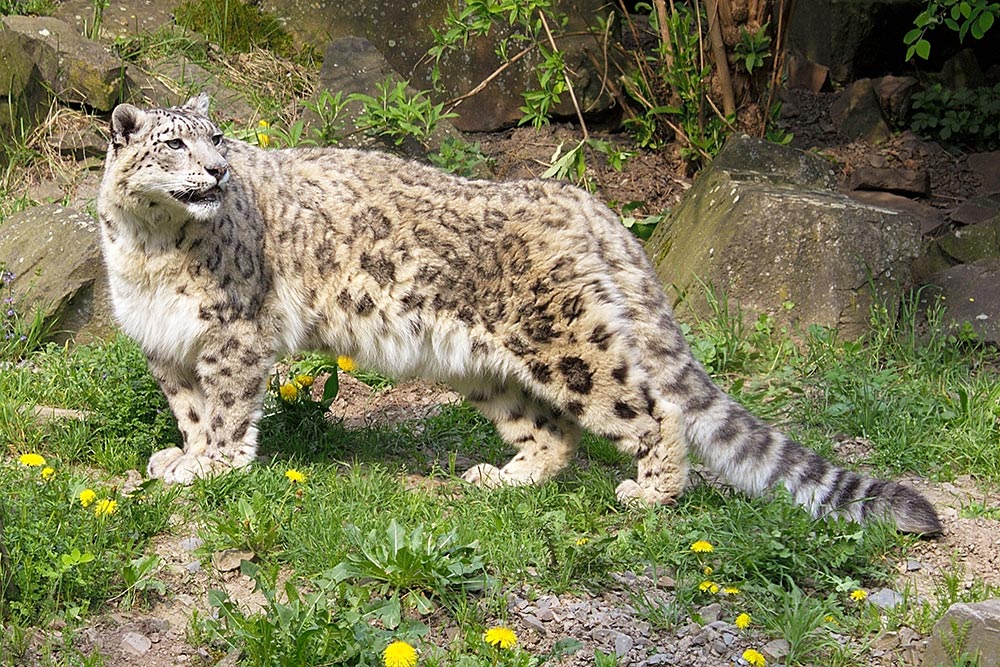
Operating in the rugged mountain ranges of Central Asia, the snow leopard (Panthera uncia) is built for cold, high-altitude survival. Its wide, fur-covered paws act as natural snowshoes, distributing body weight across soft snowbanks. A long, thick tail serves two vital purposes: acting as a counterweight for rapid turns on near-vertical cliff faces, and wrapping around the nose and face for warmth during freezing high-altitude nights.
The Serval: Radar-Eared Hunter of the Savanna
In contrast to heavy mountain predators, Africa’s serval (Leptailurus serval) features the longest legs and largest ears relative to body size of any cat species. Its oversized, radar-like dish ears detect the subterranean rustling of rodents beneath dense grassland soils. The serval then launches itself up to nine feet into the air, landing precision-first onto its prey.
The Fishing Cat: Aquatic Specialist
Defying the common myth that cats universally despise water, South Asia’s fishing cat (Prionailurus viverrinus) thrives in wetland ecosystems. Featuring partially webbed paws, water-resistant double-layered fur, and powerful muscular legs, this feline actively wades, dives, and scoops fish out of deep rivers and coastal mangroves.
3. The Vital Ecological Role of Wild Cats
Wild felids play an irreplaceable role in maintaining healthy, functioning ecosystems. As apex and mesopredators, they regulate prey populations, preventing overgrazing by herbivores and controlling rodent species that can otherwise decimate vegetation and spread diseases.
Furthermore, the presence of wild cats creates a protective cascade across entire habitats:
- Trophic Cascades: By managing ungulate populations (such as deer and antelopes), wild cats prevent the overconsumption of young trees along riverbanks, which stops soil erosion and preserves habitats for songbirds, amphibians, and aquatic life.
- Indicator Species: Because wild cats sit at the top of the food chain, their population health serves as a direct barometer for the overall vitality of an ecosystem. A declining cat population signals widespread environmental stress, habitat fragmentation, or prey depletion.
4. Looming Threats and the Fight for Survival
Despite their evolutionary mastery, wild cats face an unprecedented crisis driven largely by human expansion. Over half of all wild cat species are currently listed as threatened or endangered by international conservation authorities.
- Habitat Fragmentation: Agricultural expansion, urbanization, and road construction sever historic territorial corridors, isolating cat populations and reducing genetic diversity through inbreeding.
- Human-Wildlife Conflict: As human settlements encroachment into wild habitats, livestock depredation increases. In response, farmers often retaliate using lethal snares or poisons.
- Poaching and Illegal Trade: High black-market demand for wild cat pelts, teeth, claws, and traditional medicine components continues to decimate populations of tigers, leopards, and jaguars.
5. Conservation Strategies: Securing a Future for Wild Felids
Saving wild cats requires combining modern science, policy enforcement, and community-led conservation initiatives.
Protecting wildlife corridors—strips of natural habitat connecting isolated wilderness areas—allows wild cats to roam freely, hunt, and find non-related mates. Additionally, community-based conservation programs empower local farmers by providing predator-proof livestock corrals and compensating them for lost animals. When local populations benefit economically from eco-tourism and predator preservation, wild cat conservation transforms from an externally imposed rule into a shared local priority.
Conclusion
Wild cats are far more than beautiful predators; they are essential architects of our planet’s natural habitats. From the solitary tiger patrolling monsoon forests to the tiny black-footed cat navigating African deserts, these untamed felids embody the raw beauty, balance, and resilience of nature. By expanding international conservation efforts, restoring fragmented habitats, and learning to coexist with native predators, we can ensure that these majestic shadows of the wilderness continue to roam wild and free for generations to come.