
In a world increasingly dominated by digital screens, the simple joy of creating something with one’s own hands remains an essential part of childhood development. Few activities capture a child’s imagination quite like animal crafts. They blend the universal love for creatures great and small with the satisfaction of making art, offering endless opportunities for learning, skill-building, and imaginative play.
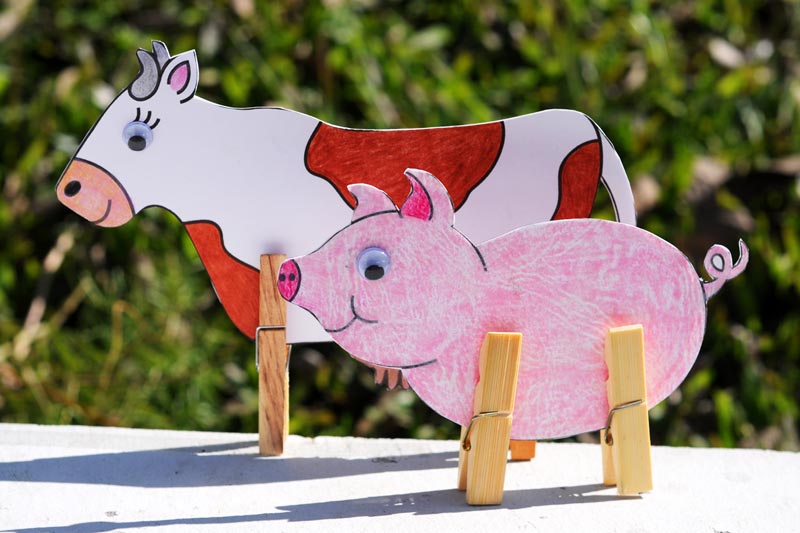
From turning a humble toilet paper roll into a roaring lion to transforming a paper plate into a fluttering butterfly, animal crafts are accessible, affordable, and incredibly fun. This guide explores the immense benefits and provides inspiration for your next creature-themed creation session.
I. Why Animal Crafts Are Essential for Child Development
Engaging in animal-themed arts and crafts is more than just a way to fill an afternoon; it’s a powerful tool for holistic development.
A. Boosting Fine Motor Skills and Dexterity
Crafts require the precise coordination of small muscles in the hands and wrists. Tasks integral to animal crafts actively build these crucial skills:
- Cutting: Using scissors to shape paper into ears, fins, or wings.
- Gluing: Carefully applying glue to attach googly eyes, cotton balls, or foam pieces.
- Painting and Texturing: Using various tools—like forks for a hedgehog’s quills or sponges for a leopard’s spots—to create detail.
B. Cognitive Learning and Empathy
Animal crafts provide a playful context for educational enrichment:
- Biology and Habitats: Crafting a penguin prompts discussions about the Antarctic, while making a frog introduces the concept of the rainforest or pond ecosystem.
- Color and Shape Recognition: Identifying which shapes are needed for a cow (circles for spots, triangles for ears) or which colors are needed for a rainbow fish.
- Empathy and Storytelling: The finished craft often becomes a puppet or toy, encouraging children to invent narratives, adopt different voices, and develop compassion for the creature they have created.
II. Simple Materials, Spectacular Results
The best animal crafts are those that use materials you already have, making them eco-friendly and budget-conscious. Look no further than your recycling bin or kitchen cupboard.
A. The Power of the Paper Plate
The simple paper plate is perhaps the most versatile medium for animal crafting, easily becoming the face or body of countless creatures:
- Paper Plate Lion: Paint the plate yellow or orange. Cut strips of construction paper (or use tissue paper) in various shades of yellow, orange, and brown, then glue them around the edge to form a magnificent, textured mane.
- Paper Plate Snake: Cut the plate into a spiral shape. Kids can color or paint stripes along the spiral, add googly eyes to the center ‘head,’ and attach a paper tongue for a slithering, mesmerizing decoration.
B. Upcycling with Household Items
Repurposing common household waste turns an ordinary craft into a lesson in creativity and sustainability.
- Toilet Paper Roll Animals: Cardboard tubes are ideal bases for standing animals like owls, bats, or bunnies. By adding construction paper ears, pipe cleaner legs, and painted details, a basic roll is transformed into a character ready for play.
- Egg Carton Caterpillar: Cut a cardboard egg carton into segments. Paint each segment a bright color and string them together with yarn or pipe cleaners. Add antennae and googly eyes to create a cheerful, segmented caterpillar.
III. Top Animal Craft Ideas for Different Age Groups
While all crafts can be adapted, some are better suited for specific developmental stages.
| Age Group | Recommended Crafts | Skills Reinforced |
| Toddlers (Ages 1-3) | Handprint/Footprint Animals (e.g., Handprint Butterfly, Footprint Penguin). Simple gluing activities like adding cotton balls to a sheep template. | Sensory exploration, color recognition, tracing, and basic gluing. |
| Preschool (Ages 3-5) | Paper Plate Animals, Paper Bag Puppets (Dog, Fox). Fork Painting (Lion’s mane, Hedgehog quills). | Scissor skills (with supervision), following multi-step directions, imaginative play. |
| School Age (Ages 6+) | Advanced 3D Recycled Crafts (e.g., Cereal Box Dioramas, Plastic Bottle Fish). Detailed mosaic or paper chain animals. | Planning, precision cutting, problem-solving, and abstract thinking. |
In a child’s mind, a little bit of glue and a few scraps of paper can bring an entire zoo to life. Embracing the joy of animal crafts for kids is an investment in their imagination, their dexterity, and their appreciation for the natural world—one colorful, goofy-eyed creation at a time.