
The global pet industry is a multi-billion dollar market fueled by an emotional powerhouse: the deep bond between humans and their animal companions. For pet stores, identifying the target customer is far more complex than simply marketing to “pet owners.” The market is highly segmented, driven by varying demographics, pet types, and, most importantly, the psychological phenomenon of “pet humanization.”
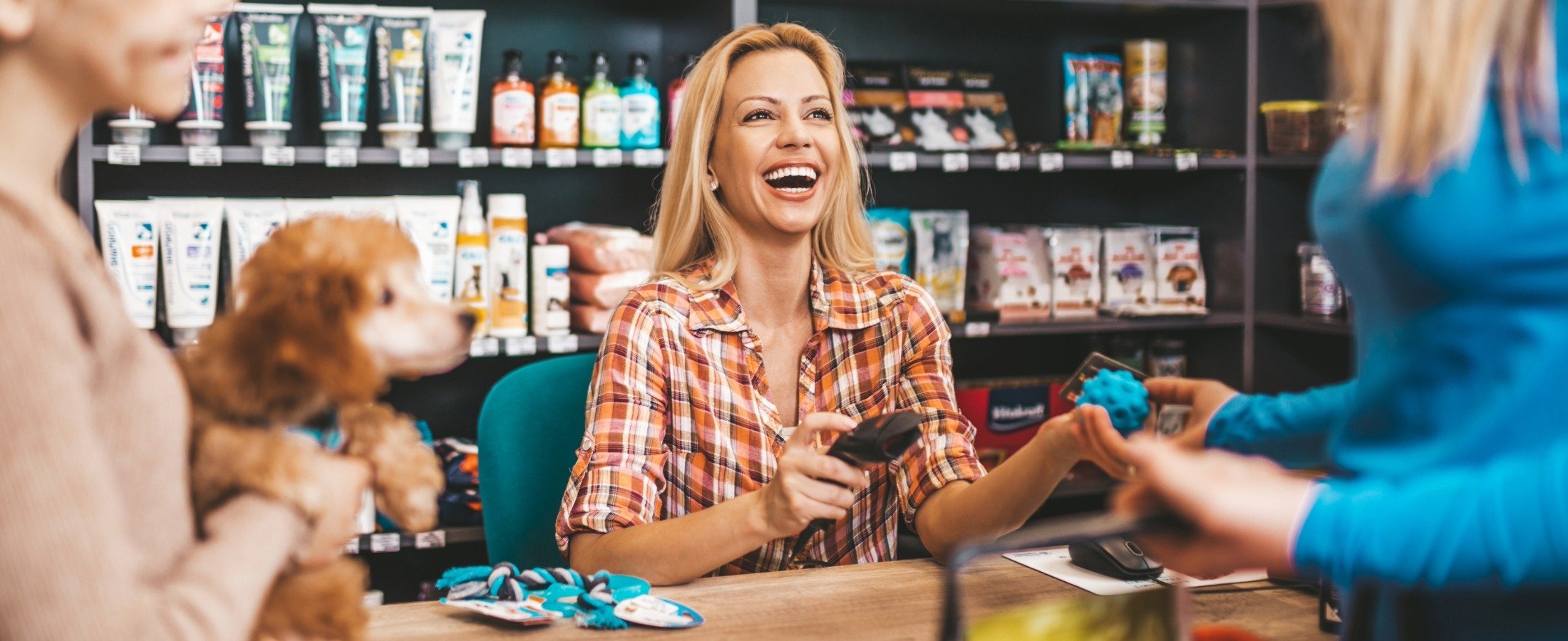
To thrive in this competitive retail space, a pet store must not only understand who its customers are but also why they buy, tailoring its products and services to specific needs and values.
I. The Emotional Core: The “Pet Parent” Segment
The primary and most lucrative target audience for modern pet stores is the Pet Parent. This segment views their animals not merely as pets, but as integral family members (“fur babies”).
Key Characteristics and Purchasing Drivers:
- Health and Wellness Priority: Pet Parents prioritize premium products. They are the driving force behind the demand for specialized, high-quality, and often human-grade pet foods, supplements, joint care, and anxiety relief products.
- Willingness to Spend: They exhibit high per-pet expenditure and are willing to pay a premium for perceived quality, safety, and natural/organic ingredients.
- Service Seekers: This group actively seeks out services like professional grooming, behavior training, and comprehensive pet insurance. Pet stores that offer these services become essential “one-stop shops.”
- Emotional Motivation: Purchases are often driven by emotional cues, such as celebrating a pet’s birthday, buying seasonal outfits, or choosing toys that provide environmental enrichment.
II. Segmentation by Pet Type: The Specialized Shopper
While dogs and cats dominate the market, specialized pet owners form crucial niche segments with very specific product needs.
| Pet Type | Customer Segment | Key Product Focus |
| Dog Owners | The largest segment; often segmented further by breed size (small, medium, large). | Premium kibble, functional treats, durable toys, harnesses, beds, and grooming tools. |
| Cat Owners | Focused on convenience, high-quality wet food, and vertical space optimization. | High-protein wet food, litter and odor control, large cat trees, and scratching posts. |
| Reptile & Amphibian Owners | The “Herpetology Hobbyist” requires technical, non-food supplies. | Specialized habitat equipment (UVB lights, heating lamps, thermostats, terrariums), specific substrates, and live/frozen feed. |
| Bird Owners | The “Avian Enthusiast” values intelligence and mental stimulation. | Large, secure aviaries, specialized seed/pellet mixes, foraging toys, and puzzle feeders. |
| Small Mammal Owners | Often younger or first-time pet owners seeking practical, easy-to-manage solutions. | Species-specific pellets, bedding (often in bulk), wheels, and chew toys for dental health. |
For a pet store, catering to these niche segments (especially reptiles and birds, which require expensive, recurring equipment purchases) can secure a loyal customer base that rarely shops elsewhere.
III. Demographic and Psychographic Profiling
Targeting is further refined by overlaying demographics (age, income) with psychographics (lifestyle, values).
A. Generational Targets (Millennials & Gen Z)
Millennials and Gen Z are the fastest-growing segments of pet owners and are reshaping the industry.
- Values: They champion sustainability, ethical sourcing, and transparency in ingredients. They prefer eco-friendly and biodegradable products.
- Behavior: They are highly active on social media and trust peer reviews. They often seek out boutique, local stores over big-box retailers.
- Focus: Driving growth in premium food and niche categories (birds, fish, exotics).
B. The Budget-Conscious Pet Owner
While the pet industry skews premium, a significant segment still seeks value.
- Focus: These customers are driven by sales, loyalty programs, and bulk purchasing options. They are more likely to compare prices online before buying in-store.
- Strategy: Stores must offer a tiered pricing strategy, featuring both premium and quality mid-range or store-brand products to capture this market without sacrificing the high-end segment.
Conclusion: Tailoring the Pet Store Experience
The targeted customer for a pet store is not a monolith; it is a complex ecosystem of devoted Pet Parents, specialized hobbyists, and value-seeking shoppers.
To optimize for SEO and ensure long-term success, pet stores must employ a targeted, omnichannel strategy that includes:
- Online Content: Creating blogs and resources optimized for long-tail keywords like “best grain-free food for senior dogs” or “UVB lighting requirements for bearded dragons.”
- In-Store Expertise: Training staff to be knowledgeable experts who can provide the specialized advice that Pet Parents and niche hobbyists demand.
- Community Engagement: Hosting local events (adoption drives, training workshops) to establish the store as a trusted community hub, appealing to the emotional bond that drives all pet-related spending.
By segmenting their audience and speaking directly to the unique needs of each group—from the worried new owner to the experienced reptile keeper—pet stores can secure a loyal, high-spending customer base.