
The allure of the exotic pet is undeniable. From the silent, scaly elegance of a python to the bright, chattering intelligence of a macaw, these non-traditional companion animals offer a unique connection to the wild. Yet, moving beyond the initial fascination reveals a complex landscape fraught with specialized care requirements, significant ethical questions, and serious conservation concerns.
Understanding the “exotic pet paradox”—the tension between personal fulfillment and animal welfare—is the critical first step for any prospective owner.
I. Defining the Exotic: Beyond Dogs and Cats
What exactly qualifies a pet as “exotic”? The definition often varies by region and context, but generally, an exotic pet is any animal that is not a commonly domesticated species like a dog, cat, or farm animal.
Common Categories of Exotic Pets:
- Reptiles: Snakes (e.g., Ball Pythons, Corn Snakes), Lizards (e.g., Bearded Dragons, Geckos, Iguanas).
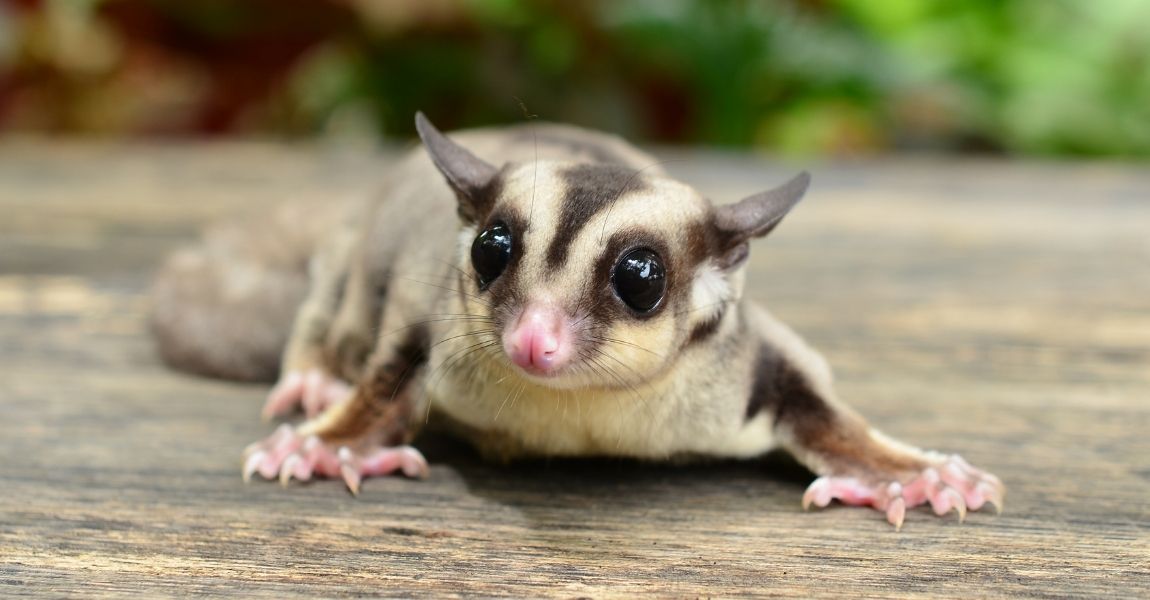
- Small Mammals: Ferrets, Hedgehogs, Sugar Gliders, Chinchillas.
- Birds: Parrots, Macaws, Cockatoos, and other non-domesticated avian species.
- Amphibians and Invertebrates: Various species of frogs, tarantulas, and scorpions.
The key distinction is that these animals retain their wild nature and instincts, regardless of how many generations they have been bred in captivity, making their needs fundamentally different from those of domesticated animals.
II. The Immense Challenges of Exotic Pet Ownership
Owning an exotic pet is a commitment that goes far beyond buying a standard cage and basic food. Many people underestimate the sheer difficulty of replicating a wild environment in a modern home.
A. Specialized Husbandry and Environmental Needs
Exotic animals thrive in very specific ecosystems. Recreating these conditions in captivity requires specialized, and often expensive, equipment.
- Climate Control: Reptiles require precise temperature gradients and controlled humidity levels. Incorrect conditions can quickly lead to respiratory infections and severe illness.
- UVB Lighting: Many reptiles and birds need specific full-spectrum UVB lighting to synthesize Vitamin D3, which is essential for calcium absorption and preventing crippling conditions like Metabolic Bone Disease (MBD).
- Enclosure Size: A large parrot requires a huge flight cage or aviary; a snake needs a terrarium that allows it to fully stretch out. Confining an animal to an inappropriately small space causes extreme psychological stress.
B. Dietary Complexity
Unlike dogs and cats, which have highly developed commercial foods, the dietary needs of exotics are often complex and difficult to replicate.
- Variety and Supplementation: Diets must often consist of a variety of live insects, specialized pellets, or fresh vegetables/prey items. Many species require specific vitamin and calcium supplements to avoid nutritional deficiencies.
- Foraging and Enrichment: Intelligent species like parrots need their food presented in puzzle feeders or through foraging activities to prevent boredom and destructive behaviors.
C. Veterinary Care Difficulty
Finding a qualified veterinarian for an exotic animal can be a major hurdle, especially outside of major metropolitan areas. Regular vets do not treat exotics. Owners must find a certified Avian and Exotic Veterinarian who possesses the specialized knowledge to diagnose and treat species-specific conditions, which is often more costly than traditional pet care.
III. The Ethical and Conservation Imperatives
Beyond the personal challenges, prospective exotic pet owners must confront the significant ethical and global implications of the trade.
A. The Wildlife Trade and Conservation Risk
While many exotic pets are captive-bred, the continued demand for unique animals fuels the illegal wildlife trade. Wild-caught animals endure horrific suffering during capture and transport, and the practice threatens native populations, pushing already vulnerable species closer to extinction.
- Zoonotic Disease Risk: The trade increases the risk of spreading zoonotic diseases (diseases transmissible from animals to humans), such as Salmonellosis from reptiles.
B. Welfare in Captivity
Many experts argue that non-domesticated animals cannot have their psychological and physical needs fully met in a domestic setting.
- Behavioral Frustration: Confined spaces and lack of proper social stimulation prevent them from expressing natural behaviors like hunting, large-scale foraging, or complex social interaction, often leading to chronic stress, self-mutilation, and aggression.
- Abandonment: When owners are overwhelmed by the care, lifespan, or cost, exotic pets are often neglected, abandoned, or euthanized, with few shelters or sanctuaries equipped to take them in.
Before acquiring an exotic pet, the decision should be driven not by novelty, but by a deep commitment to meeting the animal’s highly specialized needs, supporting ethical breeding practices, and acknowledging the full lifetime responsibility that comes with welcoming a piece of the wild into your home.