
Rabbits are often mistakenly perceived as low-maintenance “cage pets” suitable for children. The reality is far more complex: these intelligent, social, and delicate creatures have a specific and non-negotiable set of needs that must be met to ensure a long, healthy, and happy life. True rabbit welfare goes far beyond a small hutch and a carrot. It encompasses diet, habitat, social structure, and preventative healthcare.
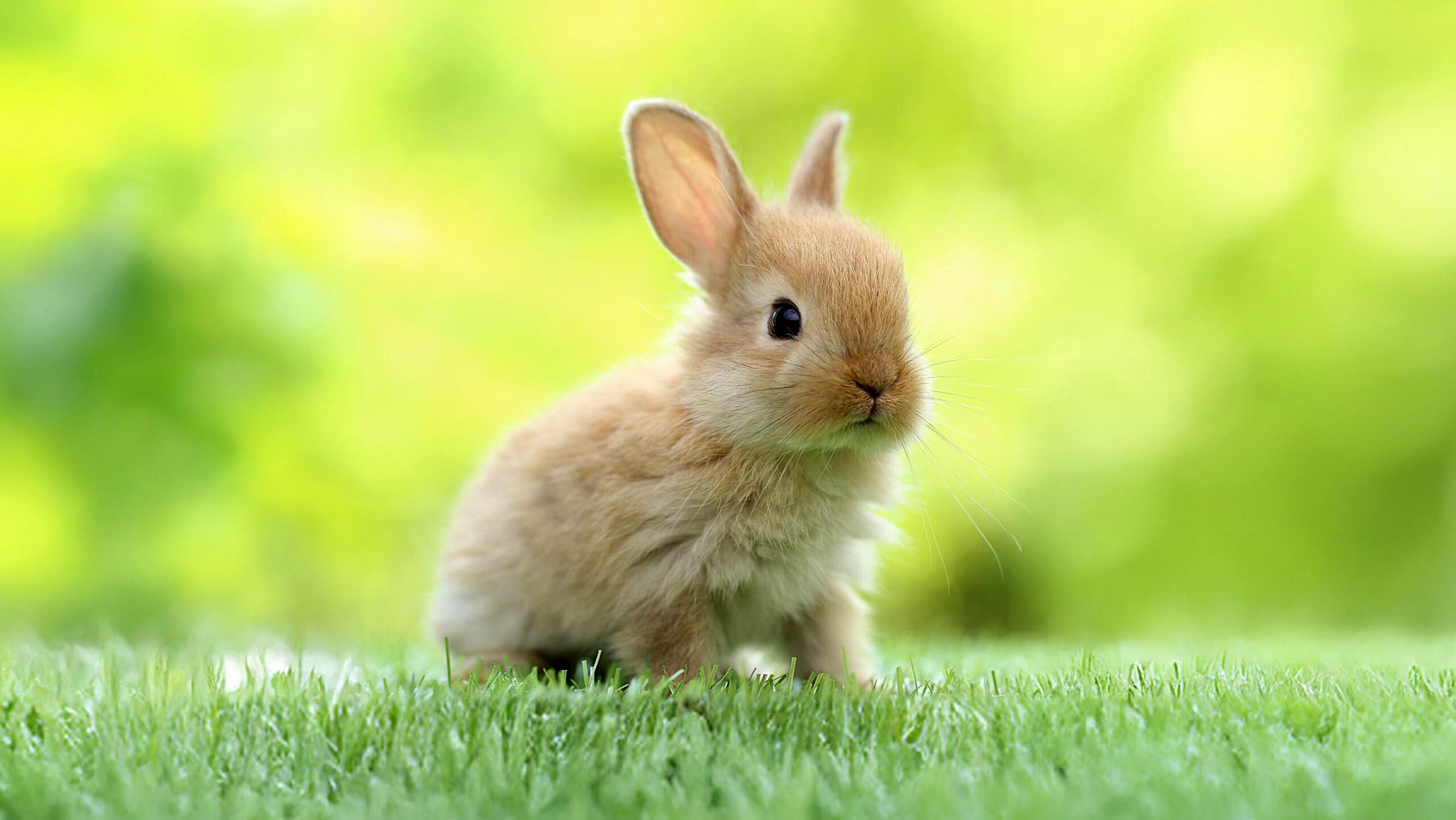
Understanding what a rabbit needs is the first step toward becoming a responsible and rewarding pet parent to these charming animals.
I. The Core of Health: The Hay-Centric Diet
The single most critical element of a rabbit’s care is its diet, which is directly tied to two vital physiological needs: dental health and gastrointestinal function.
A. Unlimited Hay is Non-Negotiable
- Dental Wear: A rabbit’s teeth grow continuously throughout its life. Chewing fibrous hay grinds these teeth down naturally, preventing painful and life-threatening spurs and overgrowth.
- Gastrointestinal Motility: Hay provides the long-strand fiber necessary to keep the rabbit’s delicate digestive system (gut) moving constantly. Without it, the gut can slow down or stop entirely, a fatal condition known as Gastrointestinal (GI) Stasis.
- Requirement: Hay (specifically high-fiber grass hay like Timothy, Orchard, or Meadow) must make up 85-90% of a rabbit’s daily diet and should be available in unlimited quantities.
B. Pellets, Greens, and Water
- Fresh Greens: A daily handful or more of fresh, leafy green vegetables (such as romaine lettuce, carrot tops, or cilantro) provides essential vitamins, minerals, and moisture.
- Quality Pellets: High-fiber, Timothy hay-base pellets should be offer in limited, measured amounts (typically a small amount per pound of body weight) as a nutritional supplement, not the main food source. Avoid muesli mixes.
- Fresh Water: Constant access to clean, fresh water, ideally offered in both a heavy ceramic bowl and a water bottle, is essential for hydration and GI health.
II. The Home Base: Housing and Environment
The antiquated image of a small, wooden hutch is inadequate for a rabbit. A proper environment caters to a rabbit’s natural behaviors of running, hopping, and hiding.
A. Space and Safety
- Large Enclosure: A rabbit’s primary enclosure (cage or pen) must be large enough to allow the rabbit to stand up on its hind legs without its ears touching the top, lie down and stretch out fully in all directions, and take at least three consecutive hops. Wire-bottom cages are harmful to their delicate feet and must avoid.
- Exercise Area: Rabbits require a minimum of 4 hours of supervised exercise daily outside of their pen, preferably in a bunny-proofed room or an attached exercise run. Lack of exercise leads to obesity, joint problems, and boredom.
- Temperature Control: Rabbits cannot tolerate high heat. Their living space must be kept in a cool, well-ventilated area, ideally between
to
(
to
).
B. Enrichment and Hiding
- Hiding Spots: As prey animals, rabbits need constant access to secure hiding places (e.g., cardboard boxes, tunnels, or wooden shelters) where they can retreat from perceived danger. Hiding spots should have at least two exits to prevent the rabbit from feeling trapped.
- Chew Toys: Providing safe materials for chewing (untreated wood, cardboard, or willow sticks) is essential for mental stimulation and supplemental dental maintenance.
III. Social and Health Imperatives
Rabbits have complex emotional and health needs that require consistent commitment from their owners.
A. Companionship is Key
- Social Nature: Rabbits are highly social animals and thrive in the company of other rabbits. The ideal setup is a bonded pair, typically a neutered male and a spayed female.
- Human Interaction: If a second rabbit is not possible, the owner must commit to being the rabbit’s primary companion, providing daily interaction, grooming, and play to prevent loneliness and behavioral issues.
B. Preventative Healthcare
- Rabbit-Savvy Vet: Rabbits must be registered with a veterinarian who specializes in or is highly knowledgeable about rabbit medicine, as their health issues differ significantly from those of dogs and cats.
- Neutering/Spaying: Sterilization is vital for a rabbit’s health (preventing aggressive behavior and reproductive cancers, especially in females) and allows for successful bonding with other rabbits.
- Daily Checks: Owners must perform daily wellness checks, especially around the rear end, to monitor for a potentially fatal condition known as “fly strike,” particularly in warm weather.
By providing this trifecta of unlimited fiber, ample space, and dedicated companionship. Owners can ensure their pet rabbit not only survives but truly flourishes.