
In a world increasingly fascinated by exotic creatures and unique companions, the dog and the cat remain the cornerstones of the modern pet-owning household. Collectively known as “the traditional pet,” these two species have shared a symbiotic relationship with humanity for millennia, evolving from working partners to beloved family members. Their enduring popularity is not a coincidence; it is root in a unique blend of evolutionary history, psychological benefits, and social compatibility that few other animals can match.
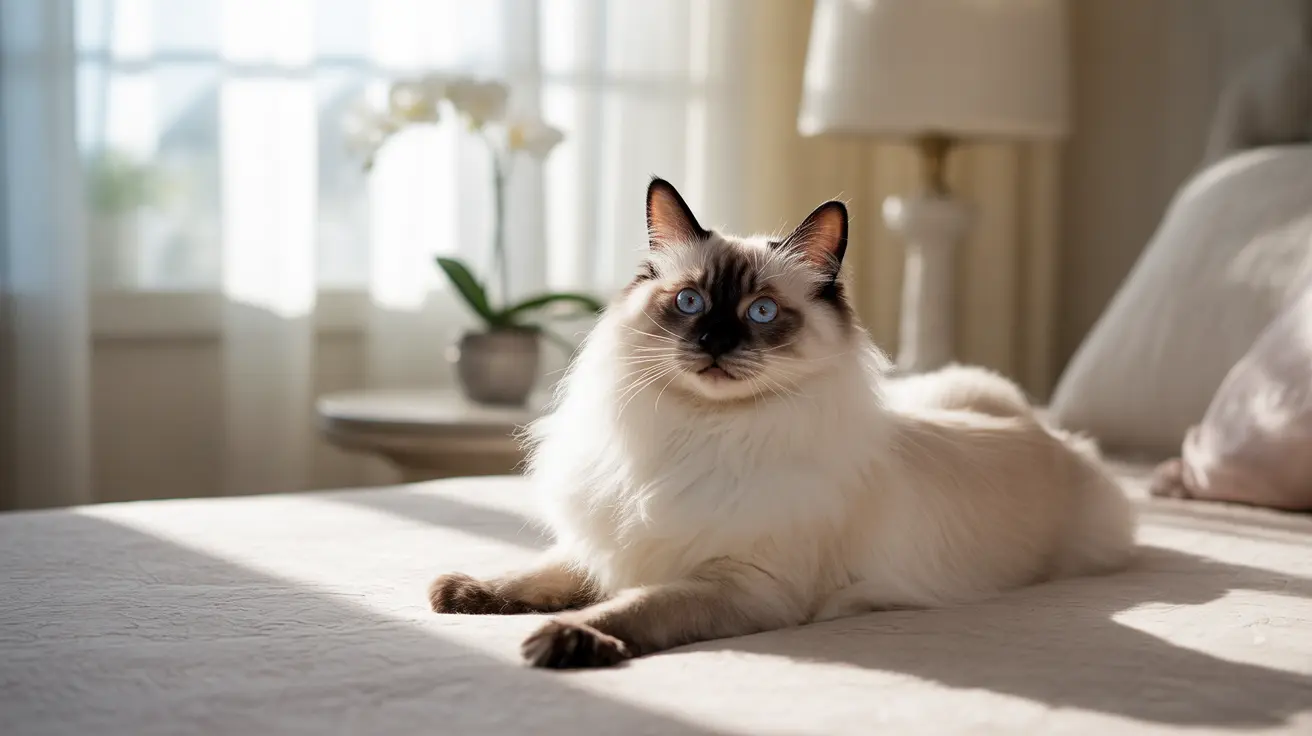
Understanding the phenomenon of the traditional pet offers insight into the fundamental human need for companionship and connection.
I. A Legacy of Domestication: The Historical Bond
The traditional pet’s dominance is inextricably link to the history of domestication, which gifted them with traits perfectly suited for human cohabitation.
A. The Dog: Humanity’s Oldest Partner
- Ancient Alliance: Dogs, domesticated from wolves over 15,000 years ago, were the first animals to form a bond with humans. Their initial role was practical: hunting, guarding, and herding.
- Social Intelligence: Over generations, dogs were selectively bred for cooperation, resulting in an unparalleled ability to read human emotions, understand complex commands, and form deep, unconditional attachments. This high “agency” and “sensitivity” contribute to their high moral standing in the eyes of humans.
B. The Cat: The Independent Companion
- Mutual Benefit: The cat’s domestication began later, around 10,000 to 12,000 years ago, coinciding with the rise of agriculture. Cats were drawn to human settlements by rodents in stored grain, establishing a mutually beneficial pest-control relationship.
- Balanced Affection: Cats offer a different kind of companionship—one often characterized by independence, quiet affection, and low maintenance. They seamlessly integrate into modern, often busier, lifestyles while still providing the comforting presence of a furry friend.
II. The Psychological and Physical Benefits
The enduring appeal of dogs and cats is strongly support by scientific evidence showing their positive impact on human health and well-being.
- Stress Reduction: Interacting with a dog or cat—even simply petting them—is scientifically proven to lower cortisol (the stress hormone) levels and increase levels of oxytocin, a hormone associate with bonding and well-being.
- Physical Health Boost: Dog ownership, in particular, encourages a more active lifestyle, leading to increased exercise, lower blood pressure, and a reduced risk of heart disease.
- Companionship and Purpose: For individuals living alone, older adults, or those suffering from mental health challenges, pets provide a critical sense of purpose, routine, and a buffer against loneliness and social isolation. The unconditional love they offer can be a powerful emotional support system.
III. Social Integration and Infrastructure
Dogs and cats are embed in our social fabric and benefit from extensive infrastructure that supports their care, making them accessible and manageable for the average person.
A. Established Care Networks
- Veterinary Expertise: The vast majority of veterinary research and specialization is dedicate to canine and feline medicine, making expert health care readily available and relatively standardized compared to exotic species.
- Supply Chain: Dedicated pet supply stores, high-quality formulated food, and a plethora of specialized products (from leashes to litter) are universally accessible, simplifying daily care.
- Social Acceptance: Unlike unique or exotic pets, dogs and cats are universally understood and accepted in communities, facilitating social interactions with other pet owners in parks, clinics, and neighborhoods.
B. The “Family Member” Status
Surveys consistently show that the majority of owners consider their traditional pets to be full members of the family. This elevated moral standing reflects their ability to display emotional sensitivity, agency, and minimal perceived harmfulness. Solidifying their role not just as property, but as dependents and companions worthy of significant investment and affection.
In conclusion, the traditional pet—the dog and the cat—maintains. Its unparalleled position due to a powerful combination of biological compatibility. Therapeutic impact, and deeply integrated social structures. While other animals offer unique joys, the traditional bond provides a foundational. Universal form of companionship that continues to define the human-animal relationship across the globe.